
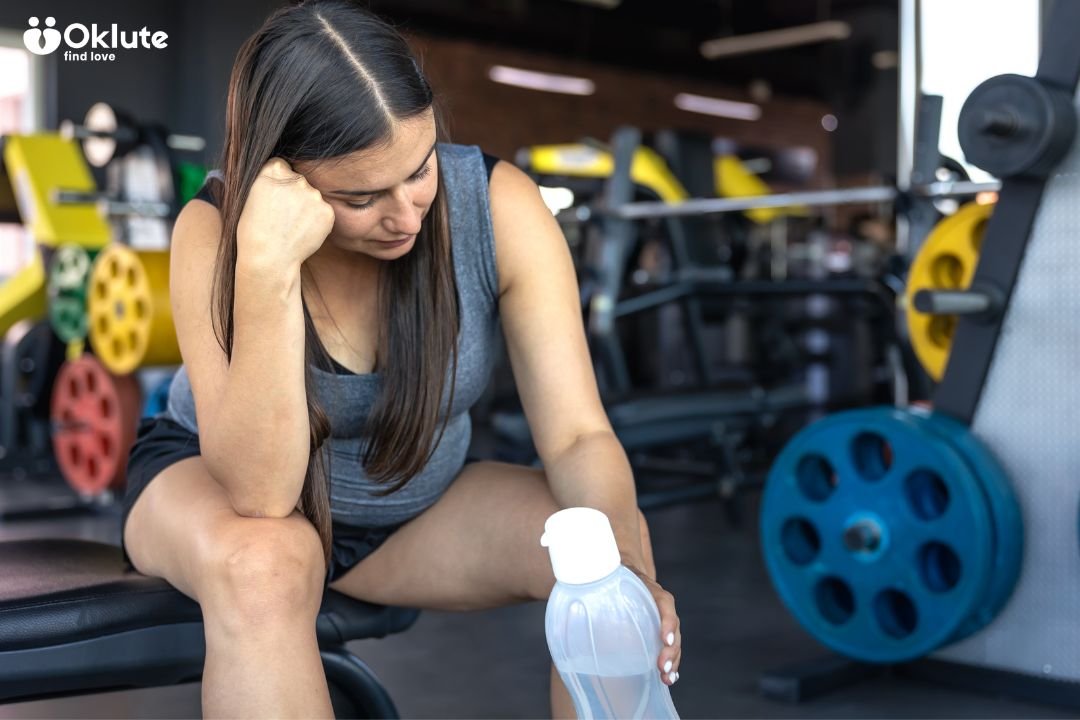
Beginning a fitness journey is both inspiring and demanding. Whether you’re just starting out or have been exercising for years, it’s normal to experience mild discomfort as your body adapts to new routines and challenges. This minor soreness is often a sign of progress, but it’s essential to listen to your body and recognize when discomfort might point to something more serious. In this guest post, we’ll share practical advice for managing slight discomfort during workouts—helping you maintain your motivation, safeguard your well-being, and continue moving confidently toward your fitness objectives.
Identifying Workout Discomfort –
Effectively dealing with discomfort during workouts begins with understanding what’s behind it. Chennai escorts who enjoy gym sessions and physical activities should understand that mild, lingering aches, commonly known as delayed onset muscle soreness (DOMS), usually appear a day or two after exercising. These aches indicate that muscles are responding to unfamiliar or intense activity. However, sudden, sharp, or localized pain, particularly around joints or tendons, may indicate an injury rather than normal soreness. Recognizing the difference between muscle fatigue and injury symptoms helps maintain a safer fitness routine.
Pay Attention to Your Body’s Signals –
While working through light soreness can help you build strength and endurance, it’s important not to dismiss what your body is telling you. If you notice a mild, steady ache, you can typically keep going with your routine. But if the discomfort becomes sharper, more intense, or is paired with symptoms like swelling or a feeling of instability, it’s wise to pause and evaluate the situation. Prioritizing caution helps prevent minor issues from turning into serious injuries.
Prepare with a Good Warm-Up –
Getting your body ready before you exercise is key to reducing discomfort and preventing injury. Start with 5–10 minutes of gentle cardio, like jogging in place or using a stationary bike, to get your blood flowing and gradually raise your heart rate. Afterward, move through some dynamic stretches that focus on the muscle groups you’ll use during your workout. This combination helps loosen your joints, activates your muscles, and makes your body more resilient against strains and soreness as you exercise.
Prioritize Rest and Recovery –
Taking time to rest is just as important as the workouts themselves. For Brisbane escorts interested in maintaining a healthy fitness routine, allowing muscles enough time to recover helps them heal and grow stronger. Regular rest days, combined with gentle activities like yoga, foam rolling, and light stretching, can make recovery more effective. These low-impact practices help reduce minor soreness without placing excessive stress on the body, supporting consistency and injury prevention.
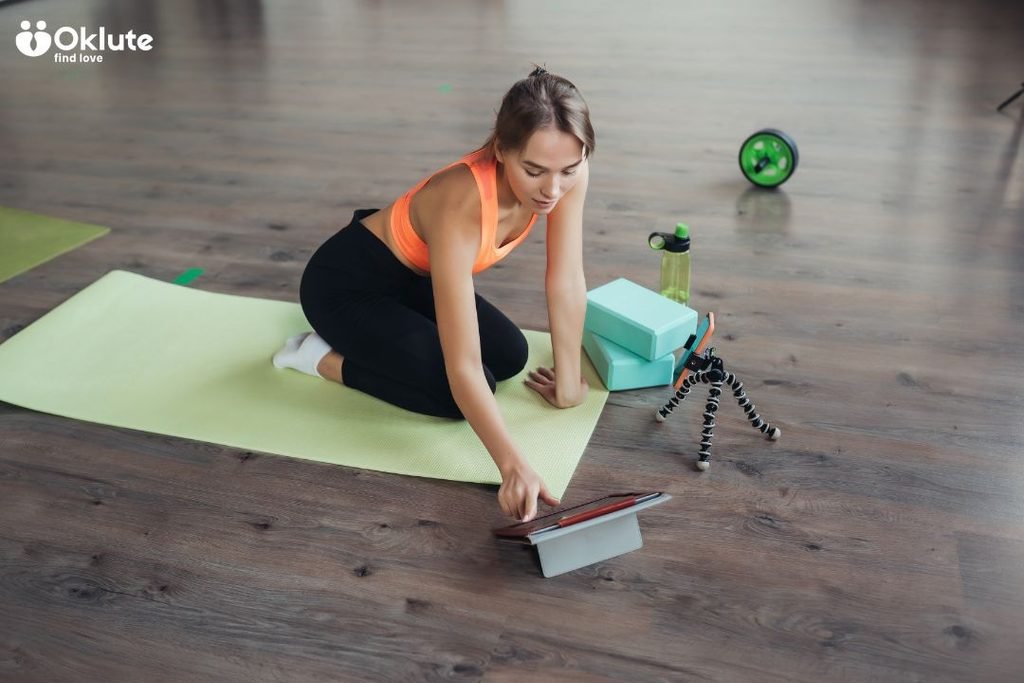
Adjust Your Exercises –
Everybody is different, and what works for one person might not work for another. If you find that a certain exercise is causing you discomfort, don’t hesitate to change things up. You can try altering your technique, lowering the amount of weight you use, or limiting how far you move through the exercise. For instance, if full squats bother your knees, consider doing partial squats or using extra support, like holding onto a sturdy chair. Modifying movements to suit your body is a practical and effective way to stay safe and make steady progress in your fitness journey.
Use Ice or Heat for Relief –
When you’re dealing with mild soreness after a workout, both ice and heat can help you feel better. Manchester escorts who enjoy gym sessions and exercise activities can use ice packs to manage swelling and inflammation, while warm compresses can help relax stiff and tense muscles. Selecting the method that suits your discomfort and limiting each application to 15–20 minutes can support safe and effective relief.
Conclusion –
Experiencing minor discomfort while exercising usually means you’re pushing your body to grow stronger. By staying aware of how you feel, making thoughtful changes when needed, and giving yourself time to recover, you can handle small aches and keep advancing confidently. Stay dedicated to your routine, be patient with your progress, and you’ll find yourself getting closer to your fitness goals with each workout.